Whitechapel Gallery, 25/02/2026
The first display of images, Autoportrait, I found instantly eye-catching, being a series of black and white, self-portraits of the artist, Joy Gregory, displayed in black frames with black mount board backing, against a solid white wall straight opposite the entrance way. I admire the bold display of the artist’s self as an introduction to the exhibition, and indeed to the artist (especially as I was previously unfamiliar with Joy Gregory’s work).
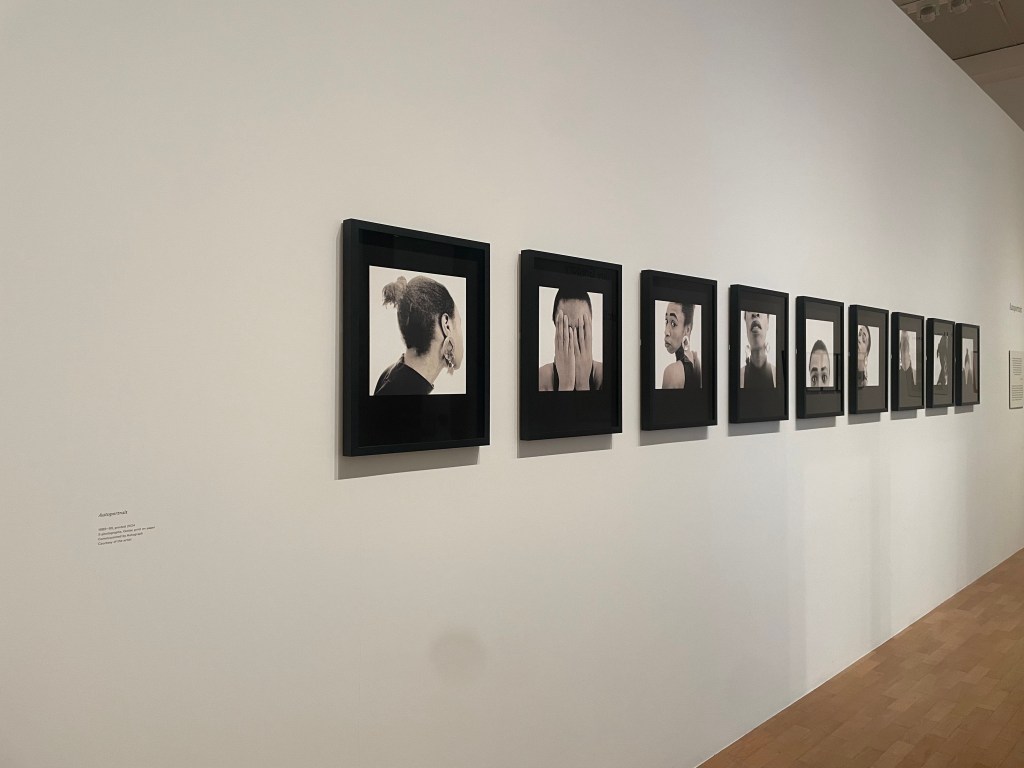
The space seemed to guide me itself, as the walls were lined with different photographic series, creating what felt like a natural direction through the work.
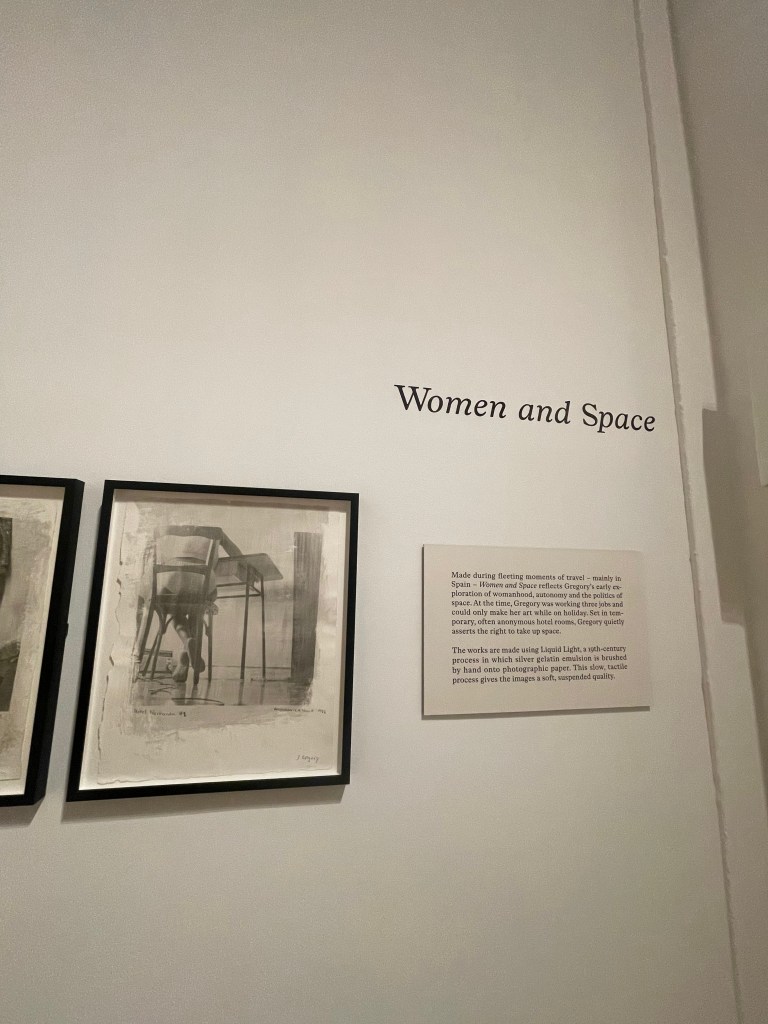
I liked the faded effect achieved in the series Women and Space, which was made using Liquid Light, a 19th century process.
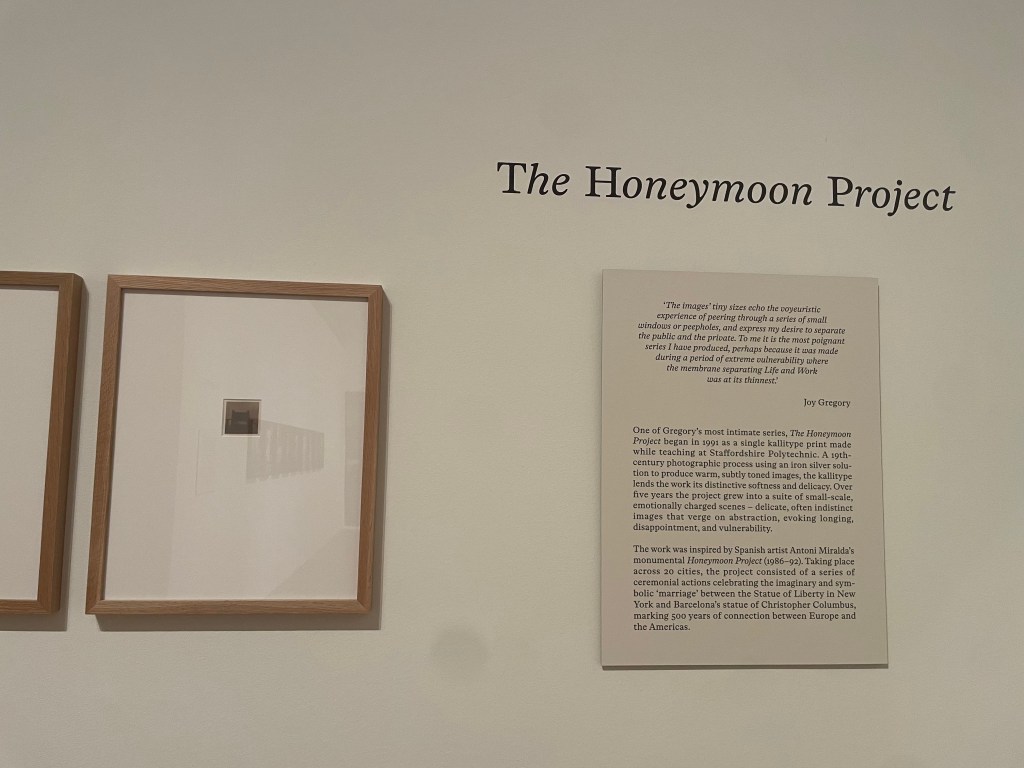
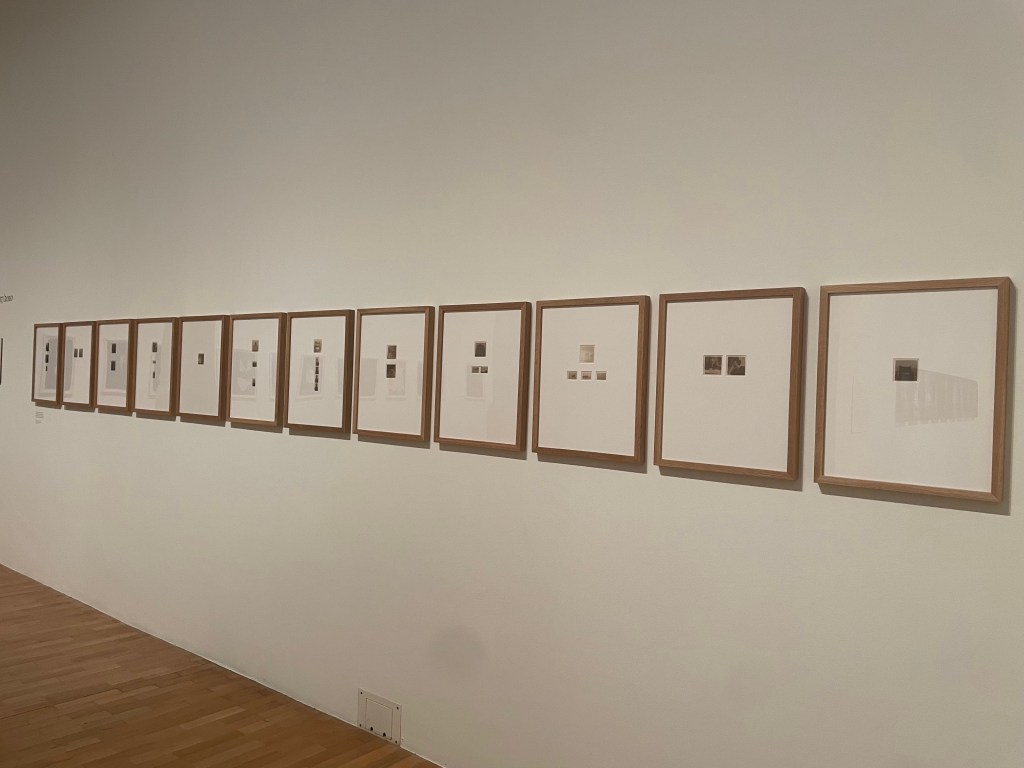
My favourite of all the work I saw by Joy Gregory was The Honeymoon Project, I really enjoyed the intimate closeness that viewing the small photographs required. It felt almost too close at points, as though I was breaking an invisible barrier between myself – the audience/ viewer, and the sacred work. Perhaps it felt more sacred due to the otherwise silent, empty gallery at that point in time, or simply because I really enjoyed the mass of the exhibition as a whole and so it felt poignant just to be there.
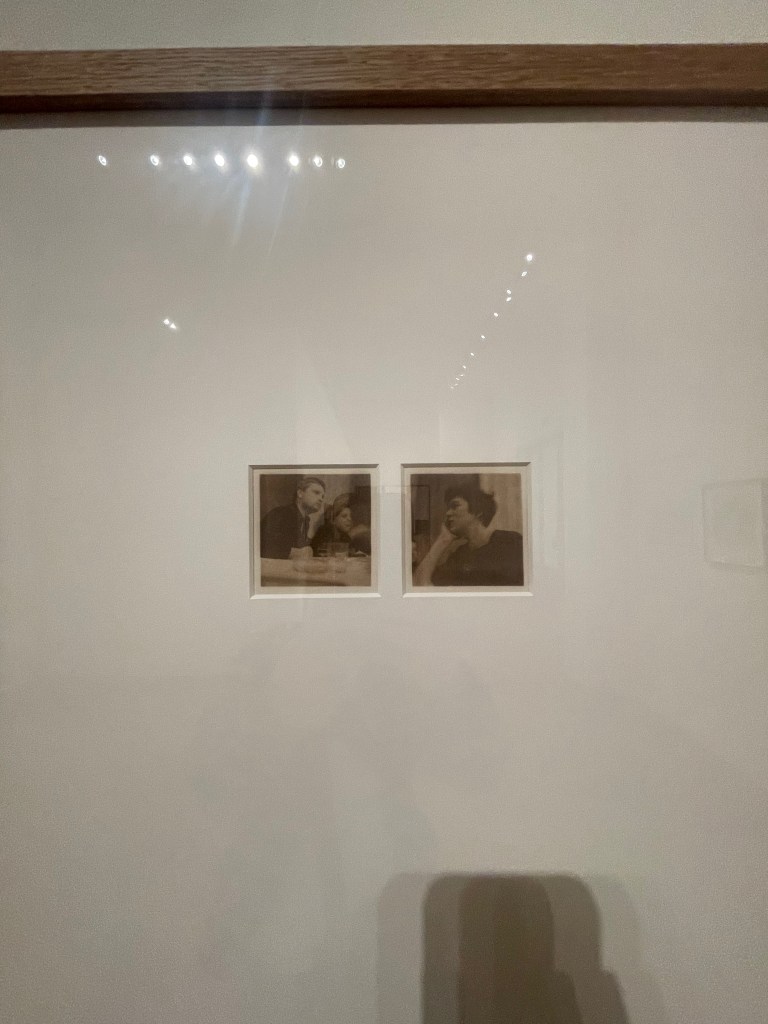
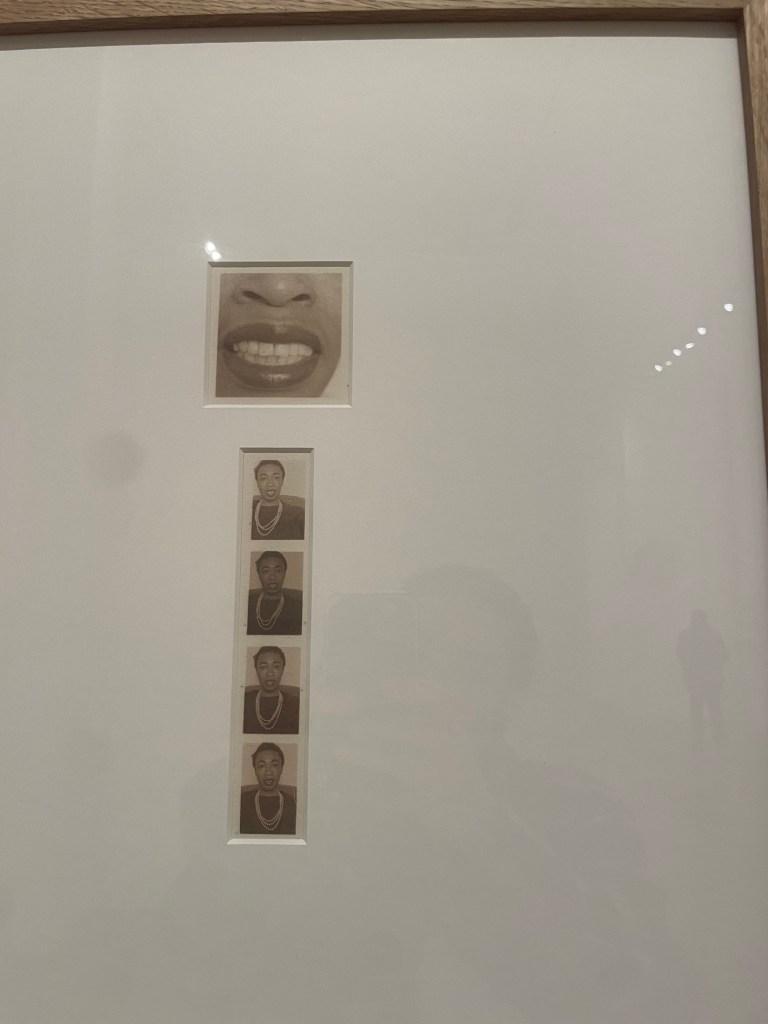
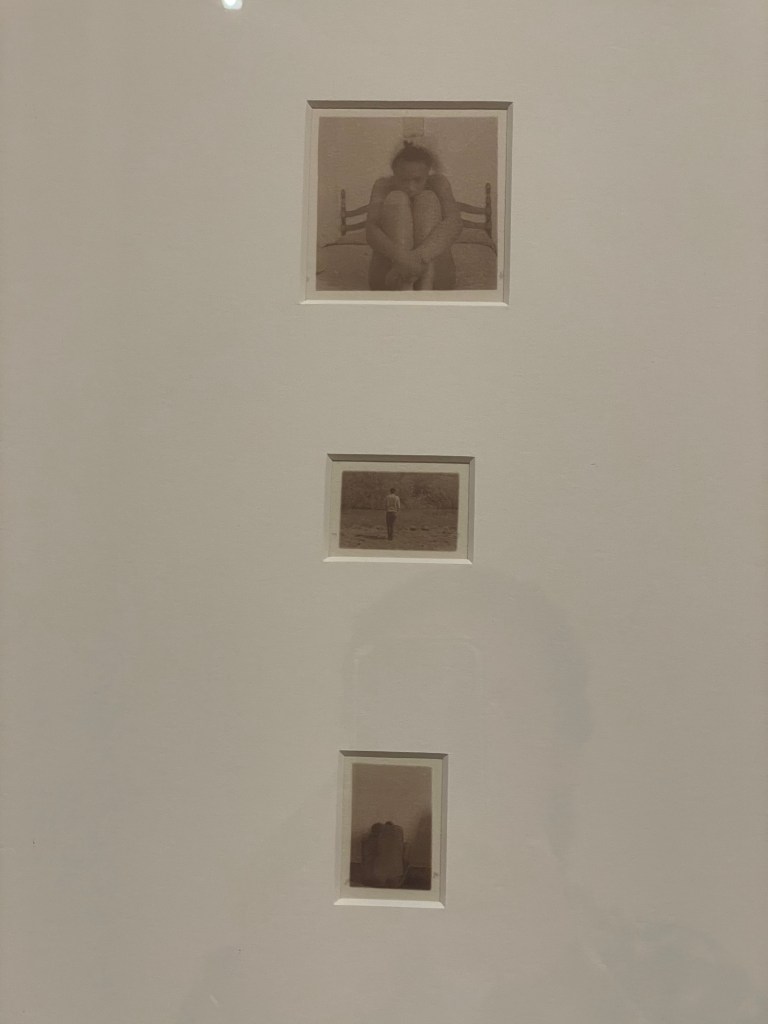
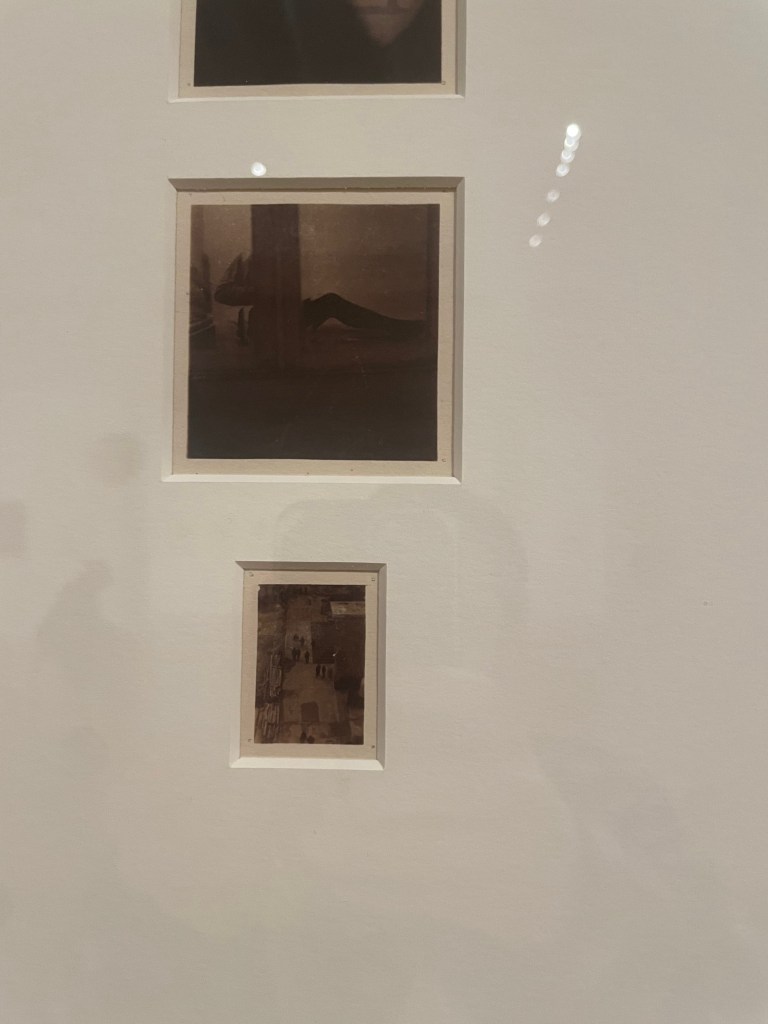
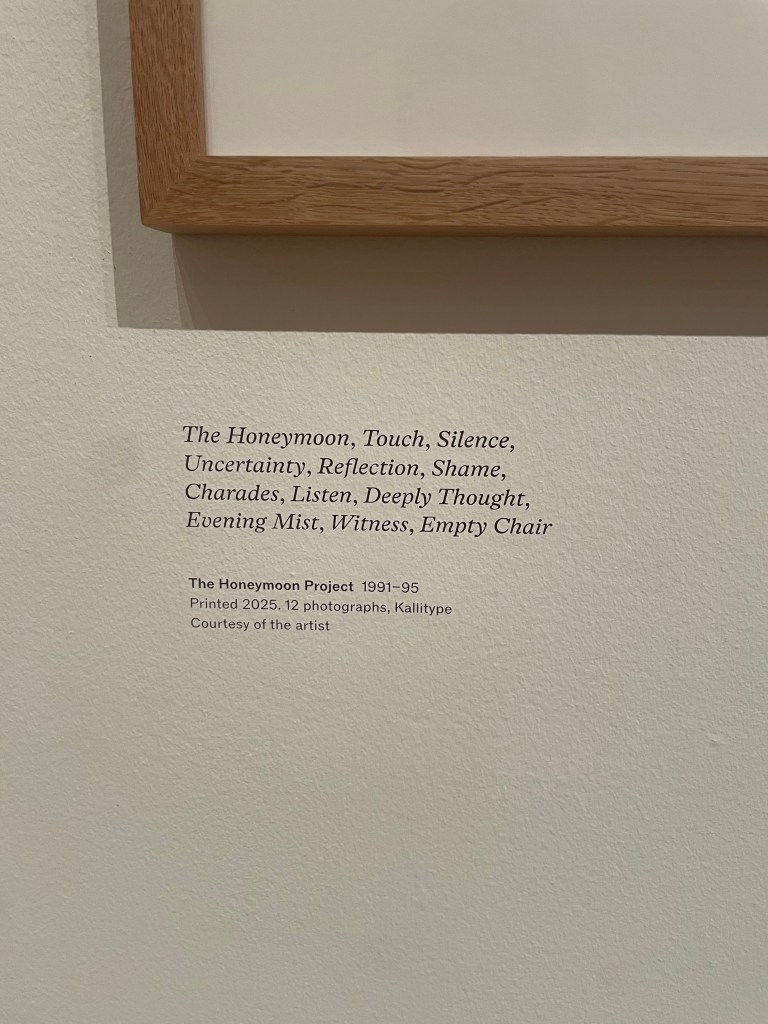
I was generally interested in the various processes Gregory has used and displayed through her work. Each seemed like a different way of documenting a particular brief, or of expressing a particular meaning. It did make me consider other types of processes I may explore within my FMP journey still, such as Cyanotype as I know this is something that is very much a potential on my course, having seen other students experimenting with this process on previous units.
Another consideration I made whilst walking around, and taking photos in this exhibition, were the reflections in/ on glass. In many of th thought-provoking works, as I leant in for a more detailed view, I was greeted by my own reflection. This naturally made me consider how I view myself before the presented works, and the subjects of them – am I just here to view, am I intended to be as much a part of the created exhibition experience as the people and stories inside each frame, and as involved in the process as the artist themself. I felt evoked by the photographs themselves to engage in community, particularly through Gregory’s colour photography works which themselves seemed to be more accepting of life; documenting events and people as they happen, rather than work which was presented in (mostly) duotone prints – which felt more solo and constructed to represent a thought, or series of thoughts. For example, the series Girl Thing, The Handbag Project, and Objects of Beauty, which were all produced through processes using only white and one other colour, such as Cyanotype, Salt Print, and Kallitype (respectively) – were more representative, and expressed/ questioned opinions on how society views femininity. Whereas, the colour-photo series Sri Lanka felt more observational, allowing images and their subjects to speak in a more directly personal context of themselves and the artist.
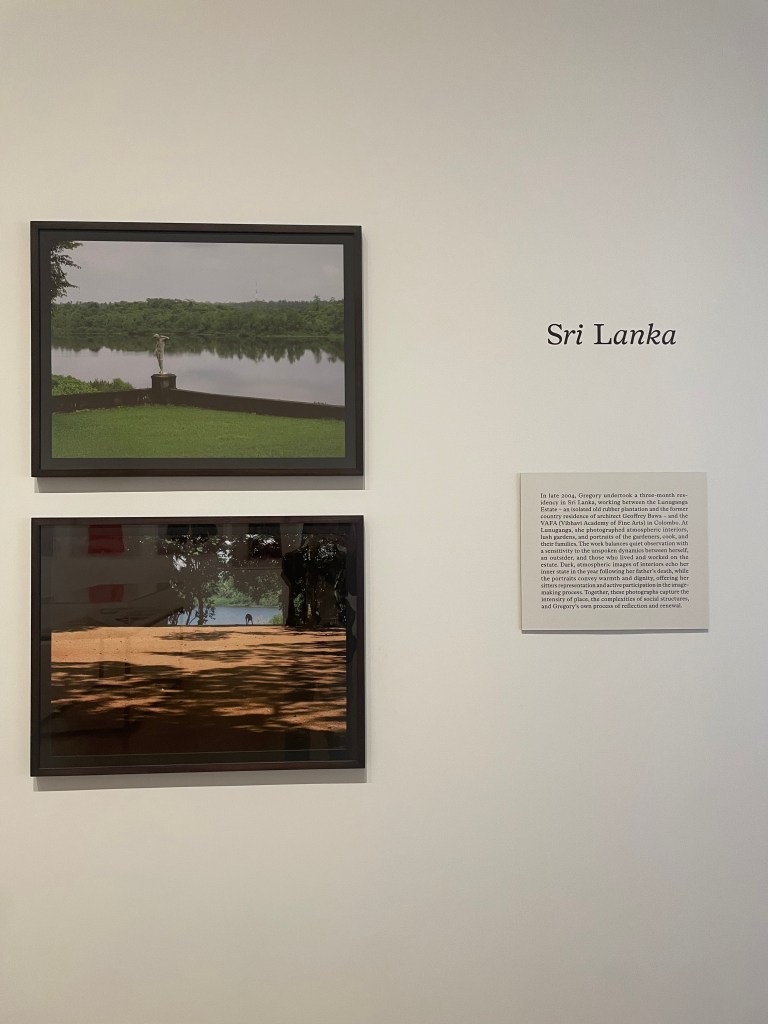
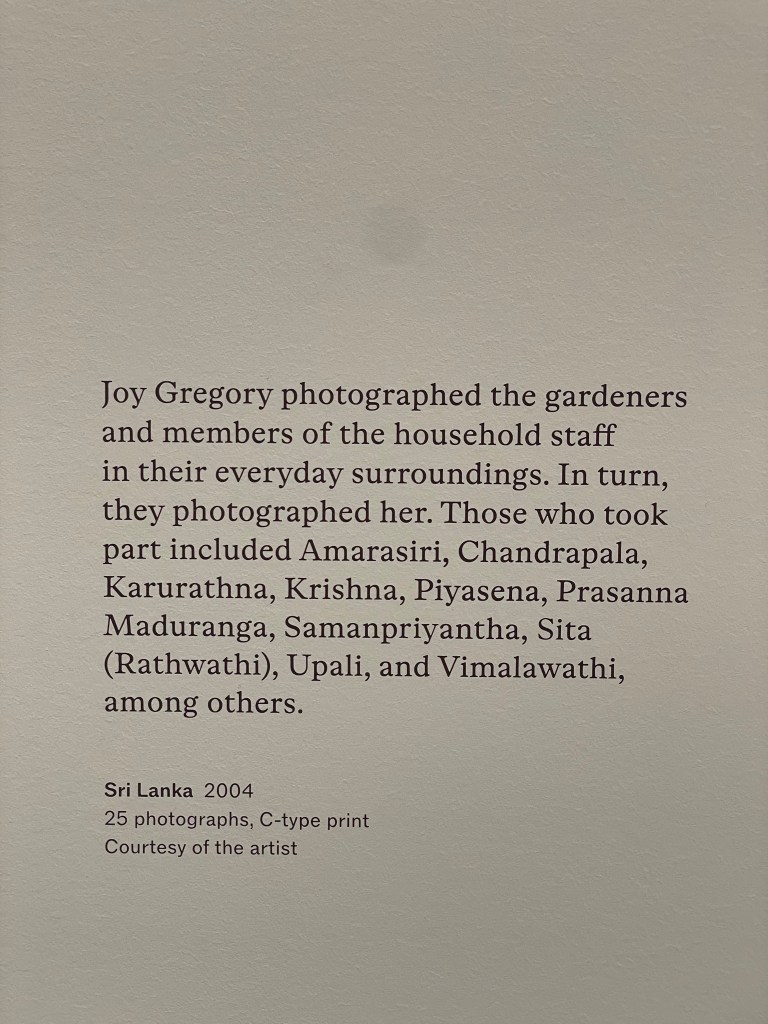
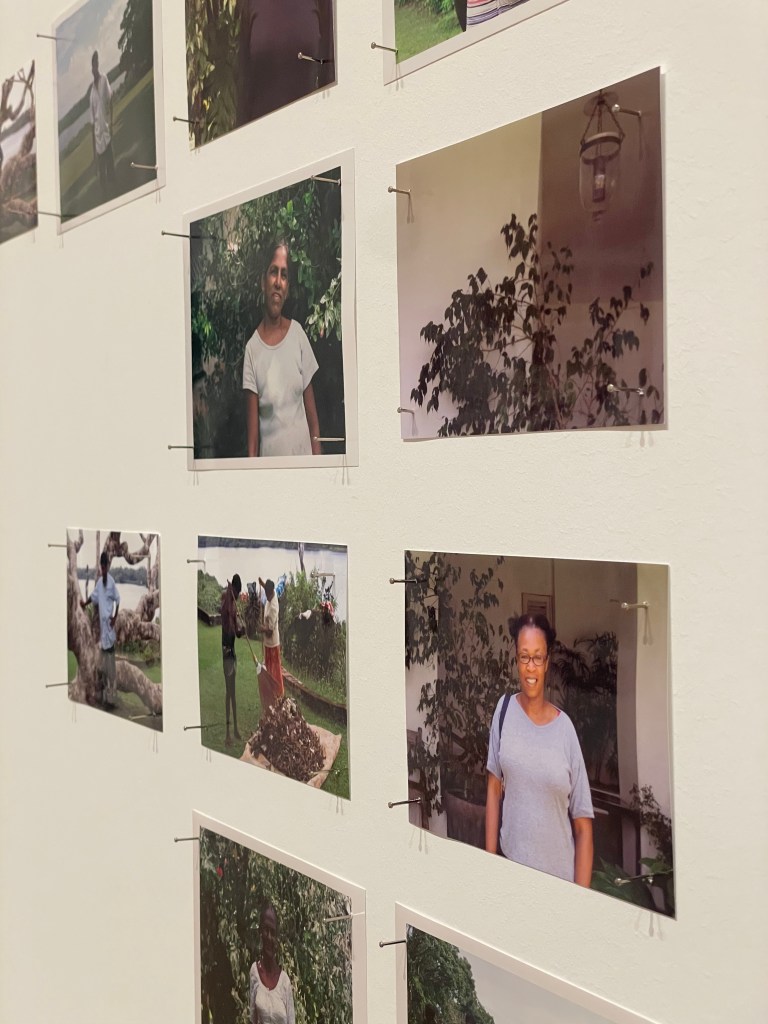
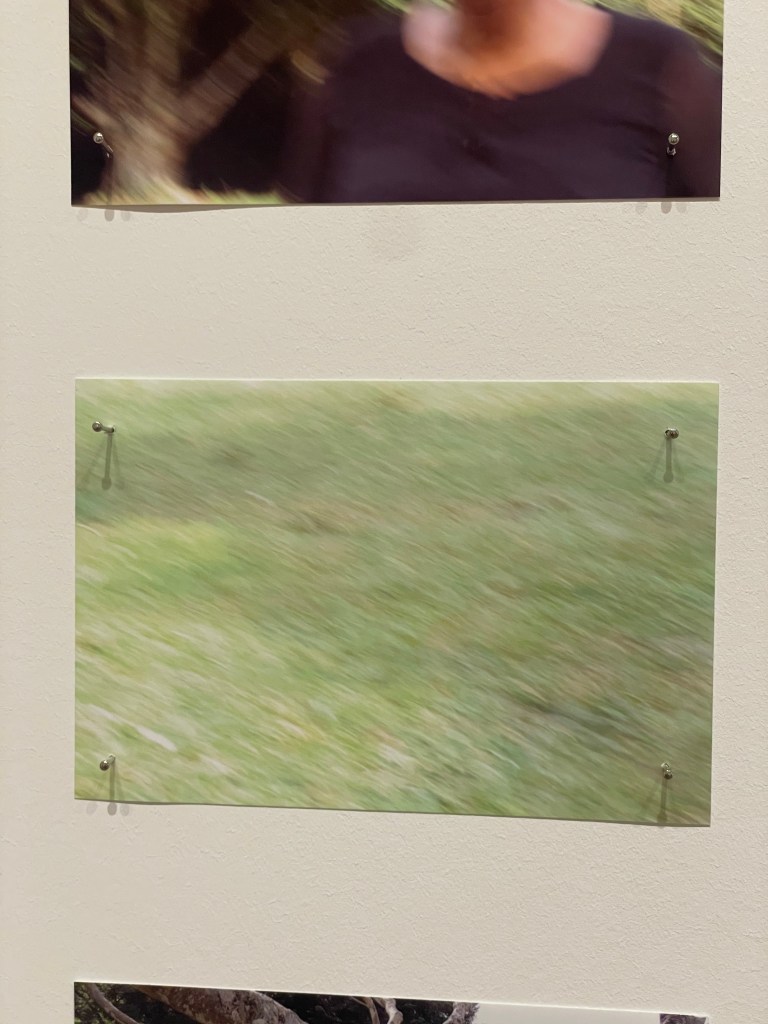
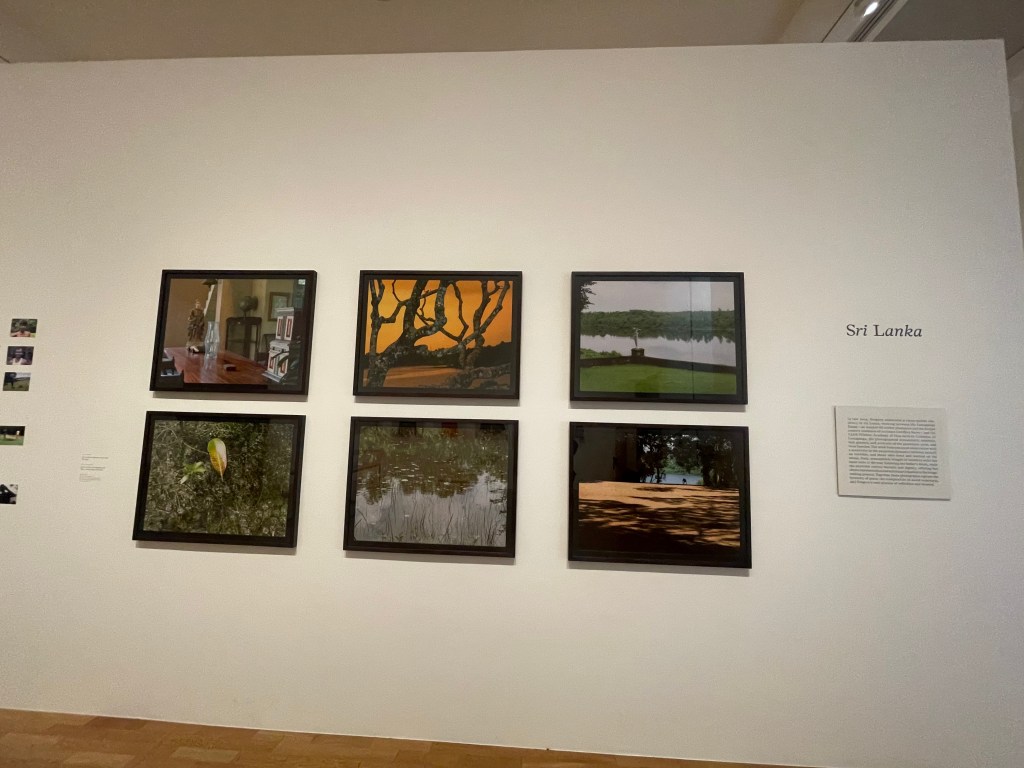
I also noted the pins/ nails used to hold photographs in place on the wall, visible here in pictures 4 and 5. I like this seemingly rough approach to their presentation, in contrast to the framed photographs arranged to be viewed first, which seemed almost hailed; as though the main objective had been to capture the beauty of Sri Lanka, but the smaller, pinned photographs documented the time around those images being taken.
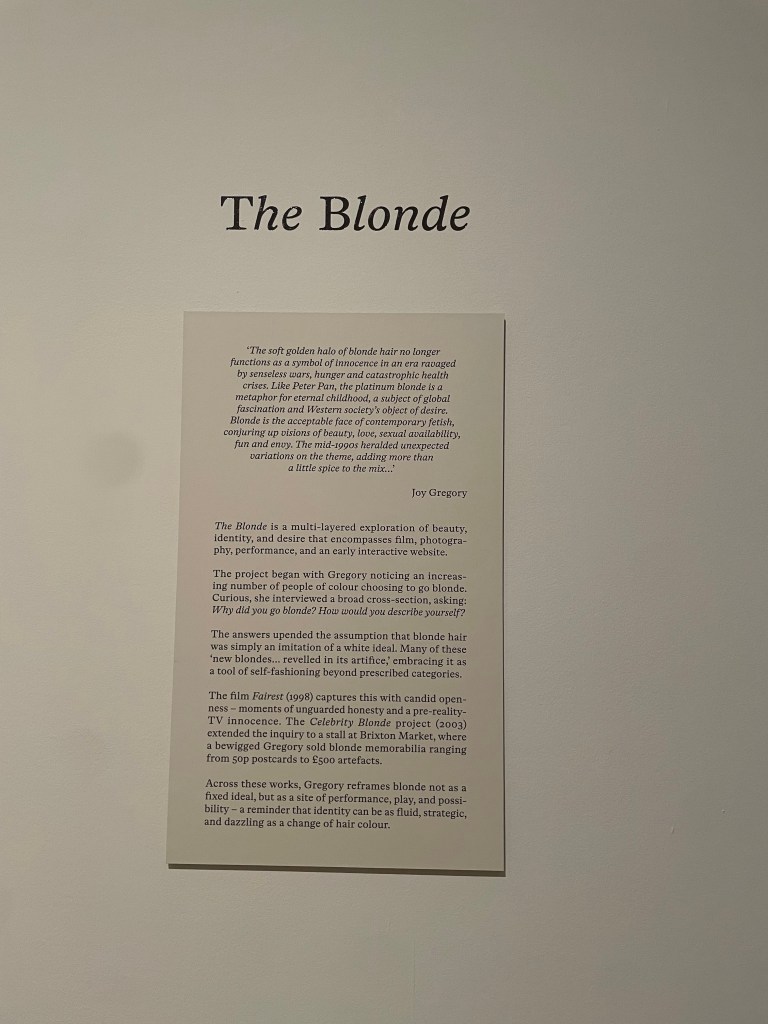
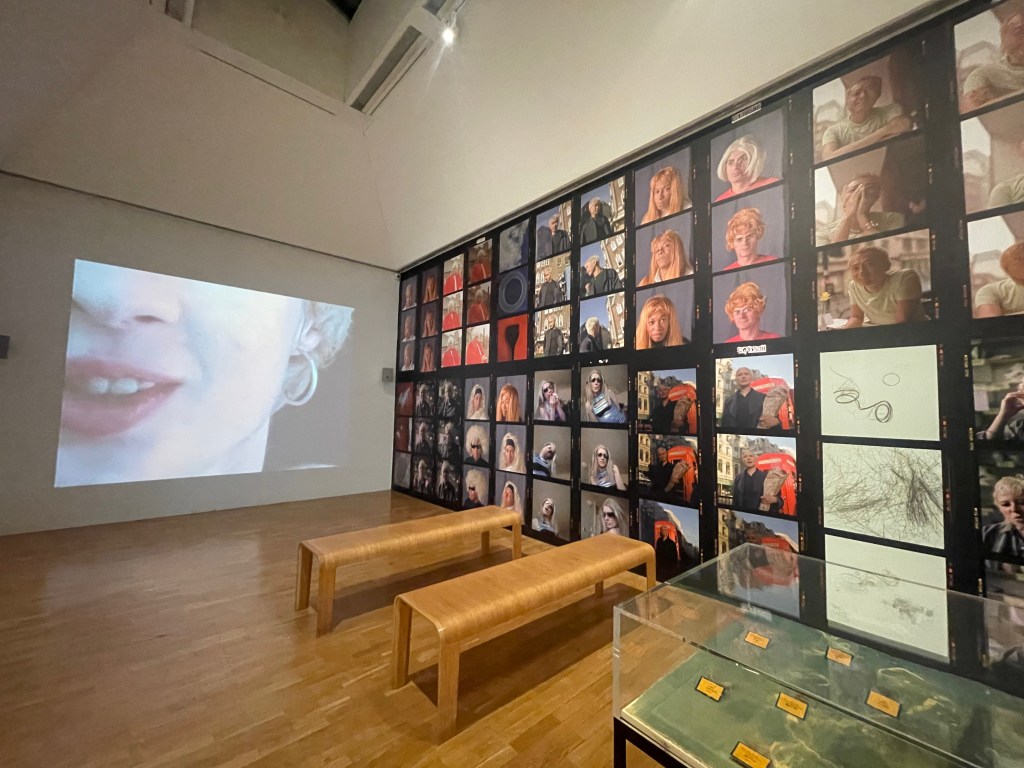
Upstairs in the exhibition, I enjoyed Joy Gregory’s work The Blonde, which featured large photographs covering the walls, and a projected film called Fairest (1998), as well as display cases of hair. I enjoyed the multidiscipline aspects of this room, and the style of images used as to me they felt very nostalgic. The hair within the display case, made the experience feel a little more physical, despite not being able to touch anything, of course.
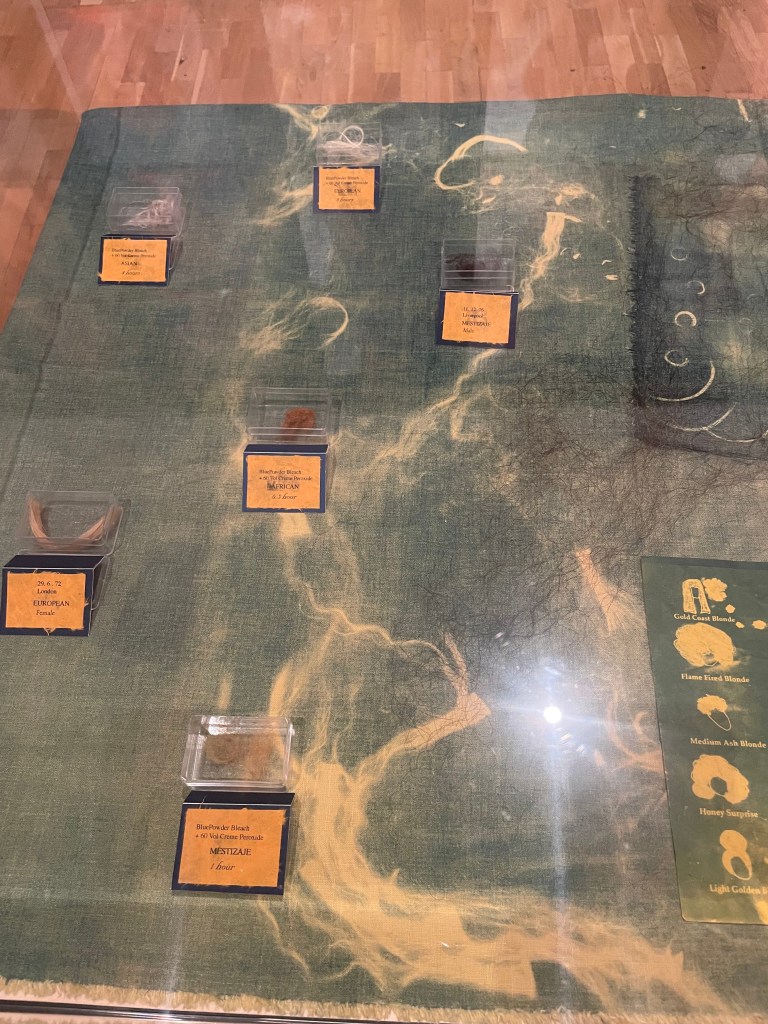
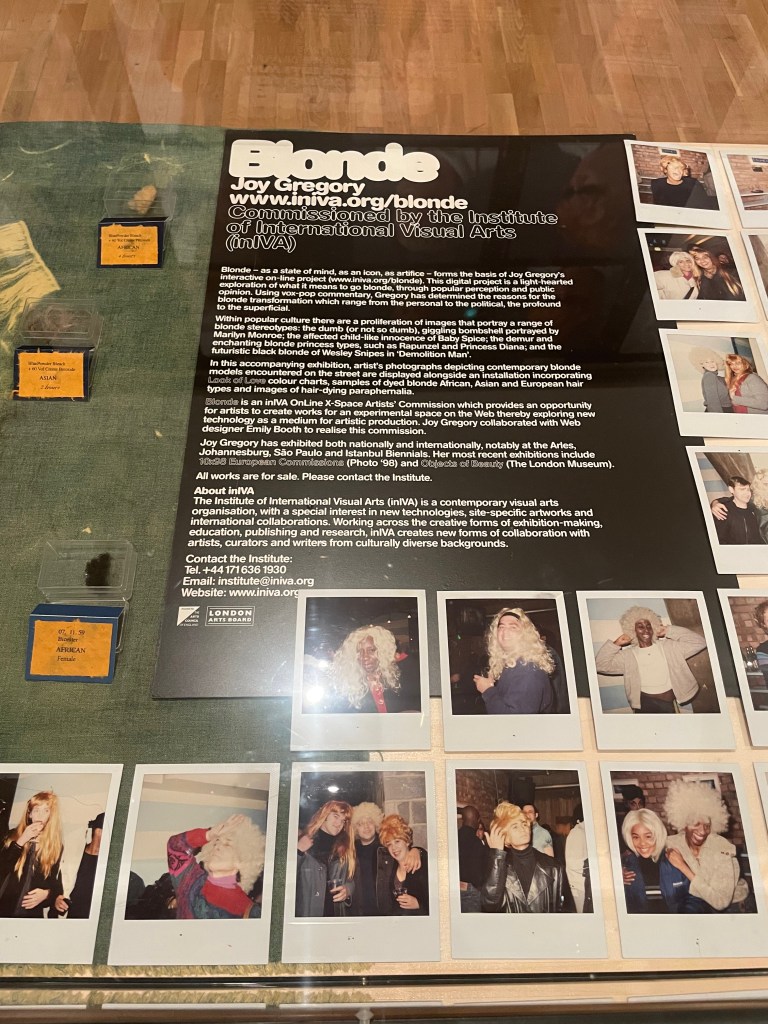
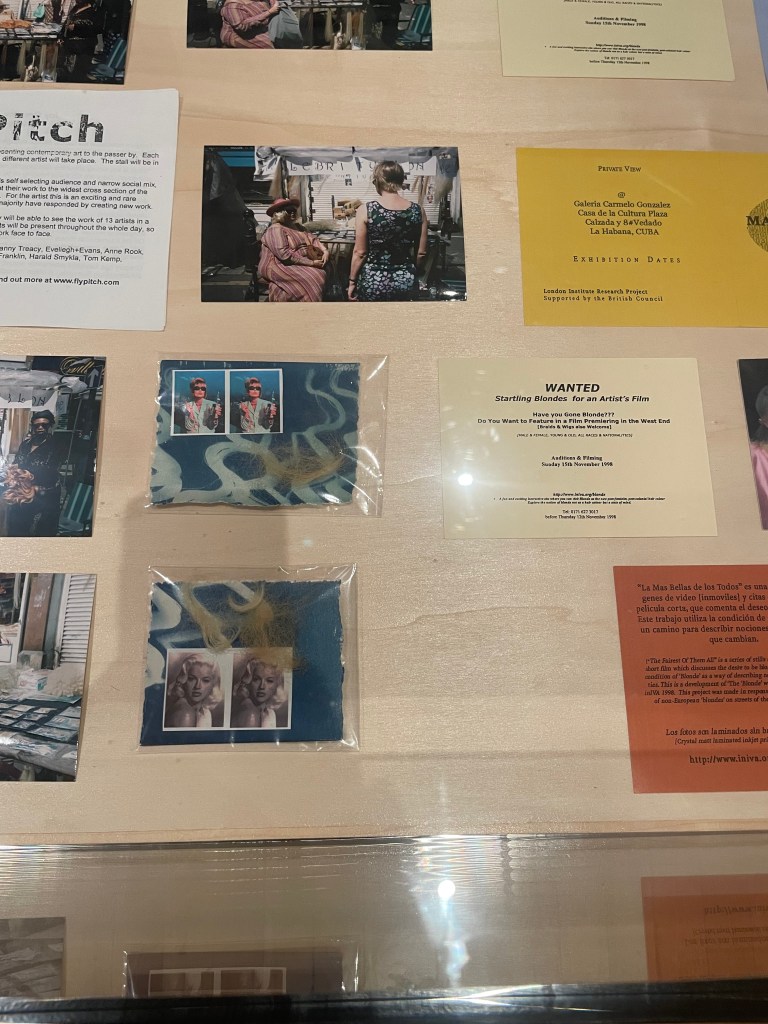
In all – I enjoyed the various methods of display used throughout the exhibition, particularly in one of the final spaces which displayed the work Memory and Skin. There were, in the middle of the room hanging, transparent, panels with a different image on either side. I almost didn’t notice these at first though, as my eyes were drawn to the edges of the room which had several labelled display cases, containing various objects, and striking photographs above and around them. In the display cases, below the objects, appeared to be factual information, I like this very obvious showcasing of how objects can so often be viewed, held, owned, etc, before facts about their origin, etc are taken into account.
I also enjoyed the more private sections of the exhibition, where films were being shown. One allowed for some sound bleed, and so enticed me around a positioned wall in the space, to be able to see what I could already hear.
 Squirrel M. Lambert